
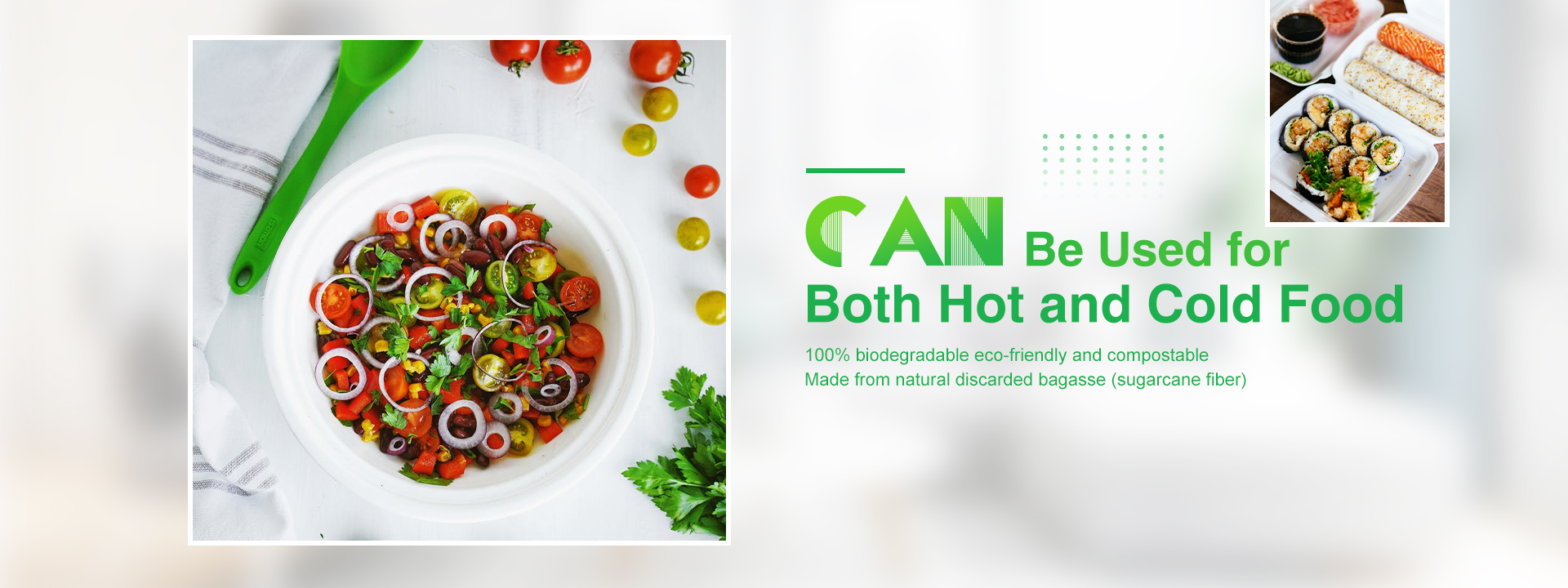
High-Quality Bagasse Food Container Manufacturer in China
When I made the switch to bagasse food containers, I was amazed by their eco-friendly benefits and versatility. Sourced from sugarcane residues, these biodegradable containers are perfect for any food service operation, helping to reduce plastic waste significantly. As a B2B purchaser, I know how crucial it is to find reliable suppliers, especially those that manufacture in China. By choosing a trusted Chinese manufacturer, I got high-quality bagasse food containers that cater to various food types and sizes, ensuring my customers experience not just sustainability but also convenience. Whether you’re in the catering industry or running a restaurant, these containers will accommodate your needs while aligning with a greener business model. Plus, with competitive pricing and bulk order options, they deliver great value for money. Embrace a sustainable alternative that doesn’t compromise on quality, because it’s time for businesses to lead the way in eco-conscious practices.

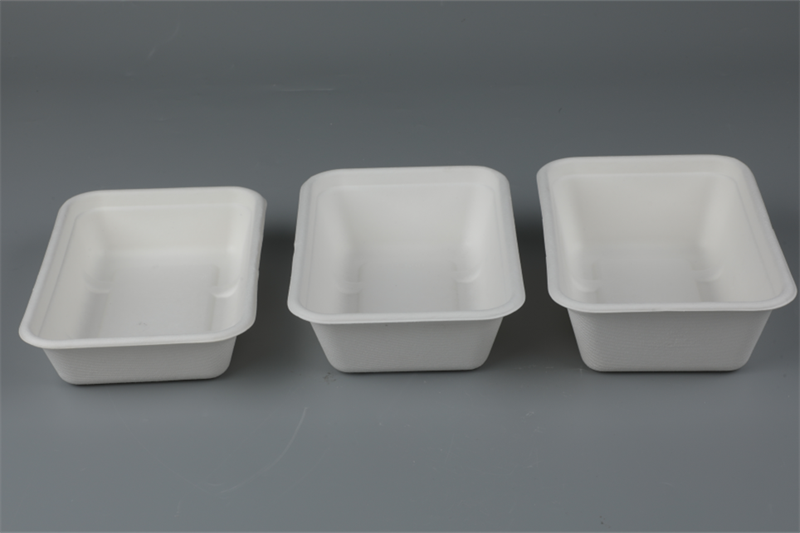
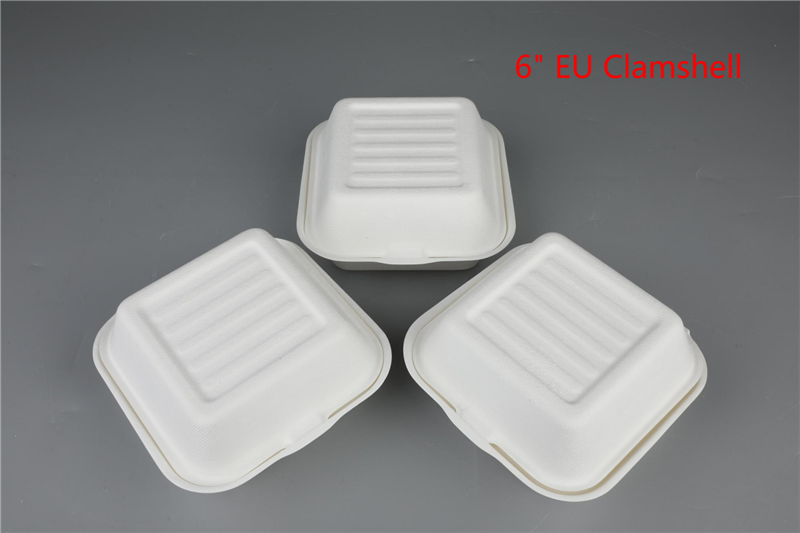

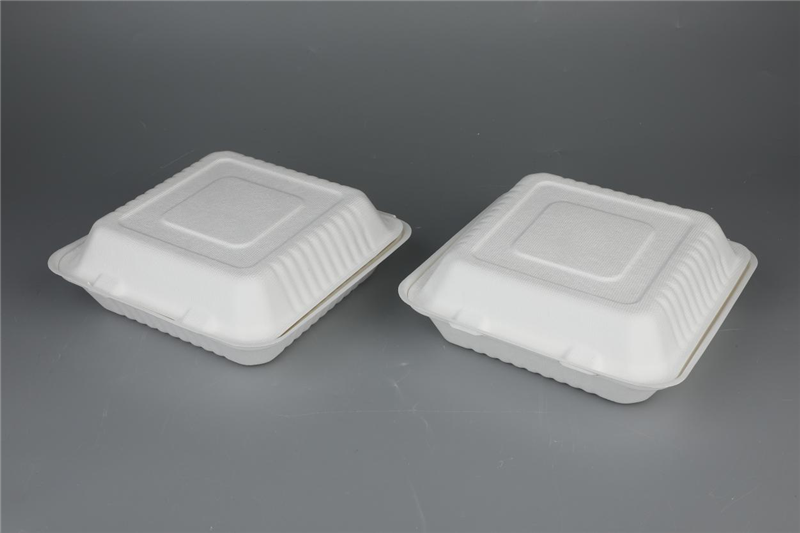

Bagasse Food Container Market Leader Now Trending
The bagasse food container market is witnessing a remarkable surge in demand, driven by the growing awareness of environmental sustainability and the need for biodegradable packaging solutions. As more businesses and consumers prioritize eco-friendly options, bagasse, a byproduct of sugarcane processing, has emerged as a viable alternative to conventional plastic containers. These containers not only reduce waste but also offer durability and versatility suitable for various food applications. For global buyers, investing in bagasse food containers presents an opportunity to align with the increasing market trend toward sustainability while meeting regulatory requirements and consumer preferences. The material's natural insulating properties make it an ideal choice for both hot and cold food items, thus enhancing the overall dining experience. As part of the broader movement towards green packaging solutions, bagasse containers are becoming pivotal for restaurants, catering services, and food retailers looking to enhance their brand image and reduce their carbon footprint. With the continual innovations in design and functionality, suppliers in the bagasse packaging sector are equipped to meet diverse customer needs across different regions. Companies committed to sustainable practices are encouraged to explore partnerships in this burgeoning market, ensuring they stay competitive while contributing to a healthier planet. Embracing these trends not only supports corporate responsibility initiatives but also positions businesses at the forefront of the eco-conscious consumer market.
Bagasse Food Container Market Analysis
| Region | Market Share (%) | Growth Rate (CAGR, %) | Key Driving Factors | Challenges |
|---|---|---|---|---|
| North America | 25 | 6.5 | Sustainability Awareness, Health Consciousness | High Cost of Raw Materials |
| Europe | 30 | 5.8 | Government Regulations, Eco-friendly Trends | Market Saturation |
| Asia-Pacific | 35 | 8.0 | Rapid Urbanization, Rising Disposable Income | Infrastructure Challenges |
| Latin America | 5 | 4.5 | Growing Food Delivery Services | Economic Instability |
| Middle East & Africa | 5 | 7.0 | Increasing Demand for Eco-friendly Products | Limited Availability of Raw Materials |
Related Products







Bagasse Food Container Products Ahead of the Curve
Top Selling Products


- Related Blog
- Reviews
- Reviews
