
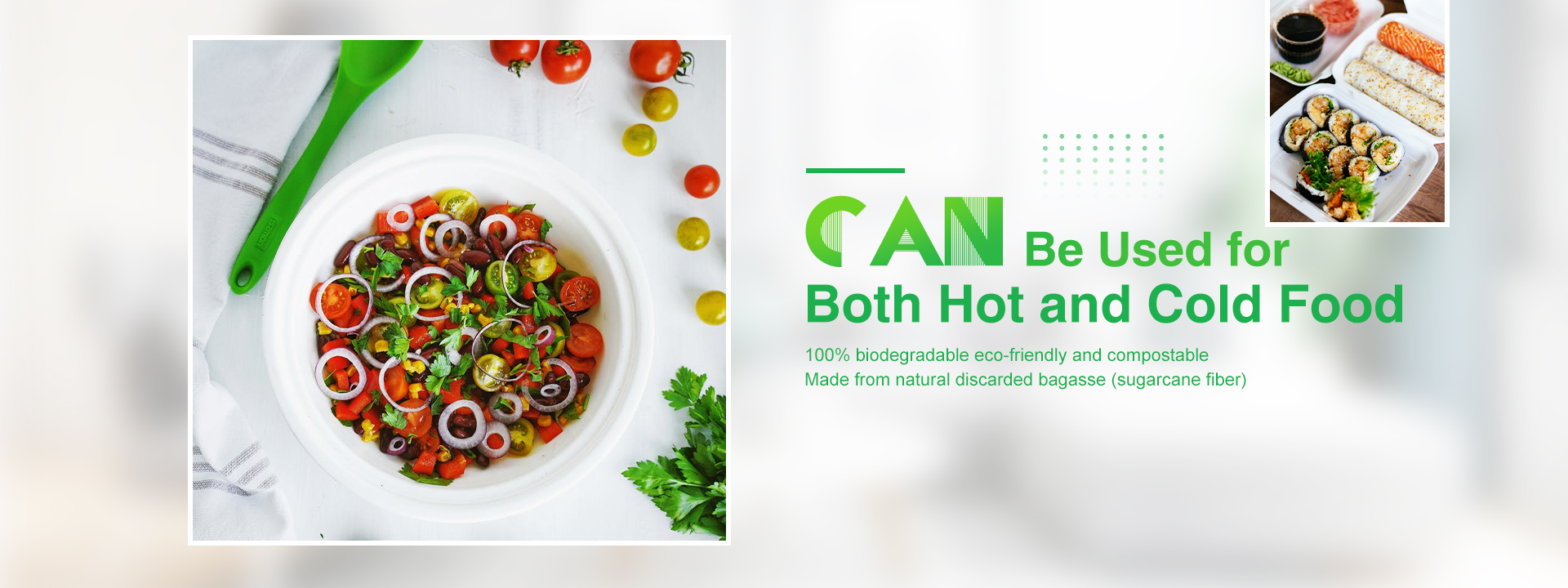
China Bagasse Plate Manufacturer: Eco-Friendly Dinnerware Solutions
As a buyer in search of eco-friendly solutions, I’m excited to share my experience with China bagasse plates. These plates are made from sugarcane byproducts, making them a sustainable choice for any business pointing towards greener practices. I noticed not only their sturdy build, but also how they hold up under various temperatures — perfect for hot or cold dishes. Choosing a reliable manufacturer in China has been key for my procurement needs. What impressed me most is the variety of sizes and custom designs available, fitting different catering or dining styles. These plates are biodegradable, which resonates with my commitment to reducing plastic waste. If you’re in the market for high-quality dinnerware, I highly recommend sourcing from top manufacturers in China. Investing in bagasse plates adds value not only to my product offerings but also enhances my brand image in an environmentally conscious market.
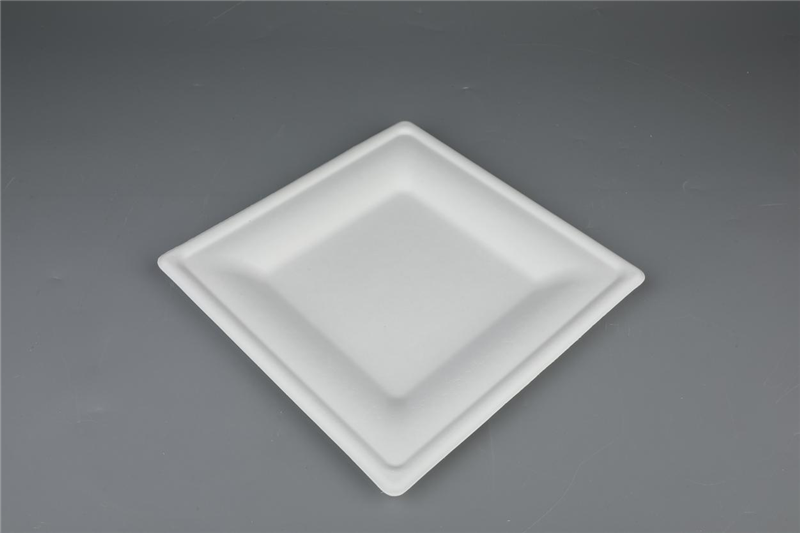
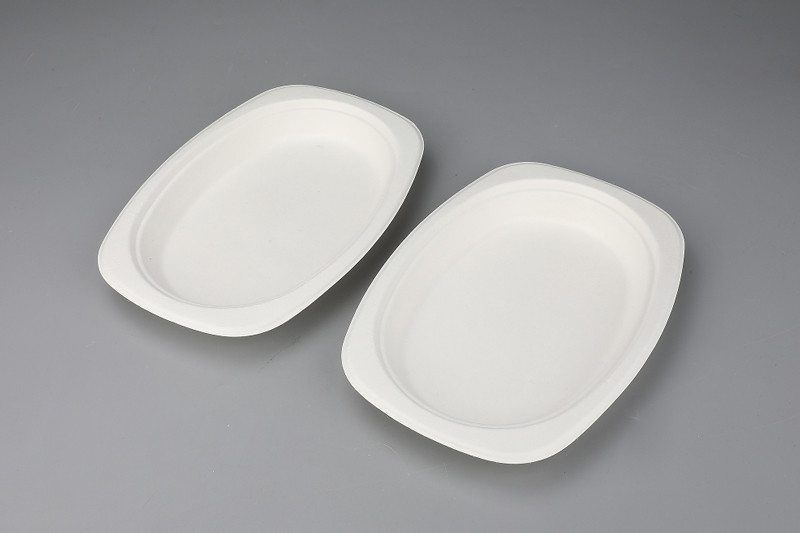

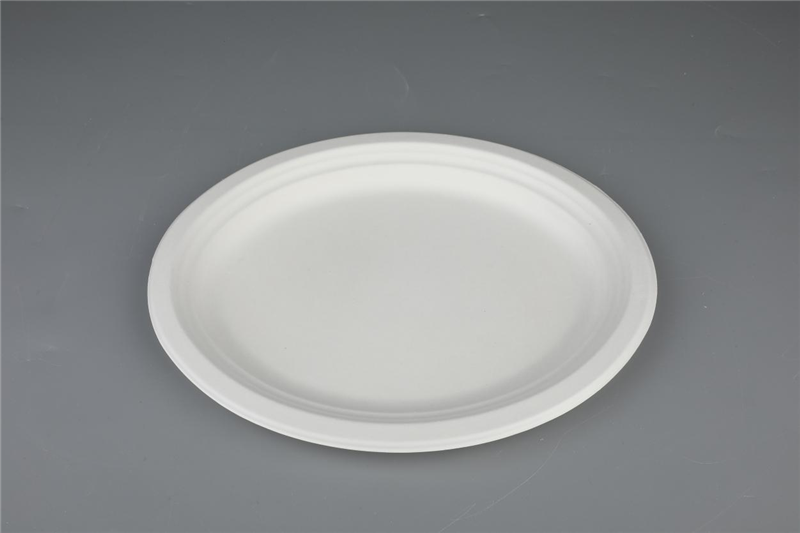
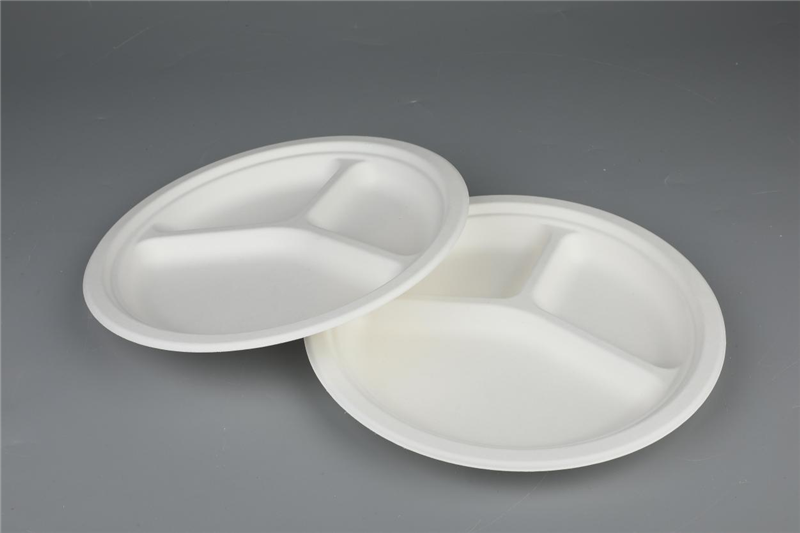
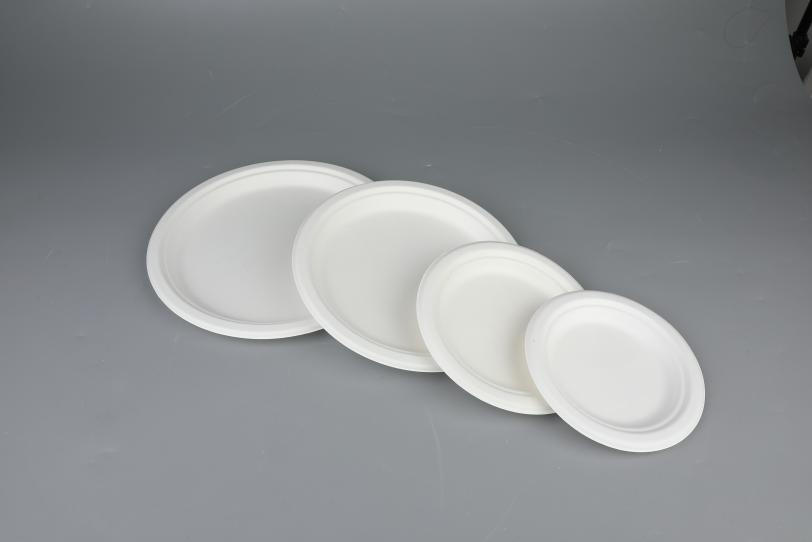
China Bagasse Plate Service Supplies the World\u2019s Top Brands
In recent years, the global shift towards sustainable practices has led many brands to seek eco-friendly alternatives in their supply chains. Among these alternatives, bagasse plates have emerged as a popular choice. Derived from the fibrous residue of sugarcane after juice extraction, bagasse is a renewable resource that offers excellent durability and biodegradability. As the world increasingly recognizes the importance of reducing plastic waste, bagasse plates provide an innovative solution that aligns with both environmental goals and consumer preferences. The demand for high-quality bagasse plates is rising, and suppliers are stepping up to meet this need. By partnering with manufacturers that adhere to stringent quality standards and sustainable sourcing practices, brands can not only enhance their product offerings but also reinforce their commitment to a greener future. This shift not only appeals to eco-conscious consumers but also positions brands as leaders in the fight against single-use plastics, driving customer loyalty and brand reputation. As businesses worldwide pivot towards sustainability, ensuring a reliable supply of bagasse plates is crucial. Collaborating with proven suppliers enables brands to scale their operations while maintaining a focus on environmental responsibility. Embracing bagasse plates is more than a trend; it represents a long-term strategy for adapting to consumer demands and legislative changes focusing on sustainability. Brands that prioritize such eco-friendly solutions are likely to thrive in an increasingly competitive market landscape.
China Bagasse Plate Service Supplies the World’s Top Brands
| Brand | Material Type | Diameter (mm) | Eco-Friendly | Certifications |
|---|---|---|---|---|
| Brand A | Bagasse | 230 | Yes | ISO 14001 |
| Brand B | Bagasse | 250 | Yes | FSC Certified |
| Brand C | Bagasse | 200 | Yes | BPI Certified |
| Brand D | Bagasse | 270 | Yes | ASTM D6400 |
| Brand E | Bagasse | 300 | Yes | Compostable |
Related Products
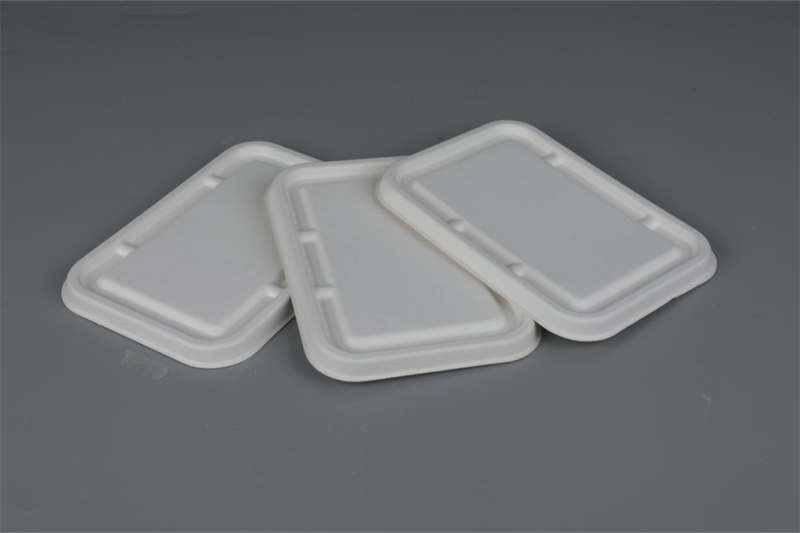
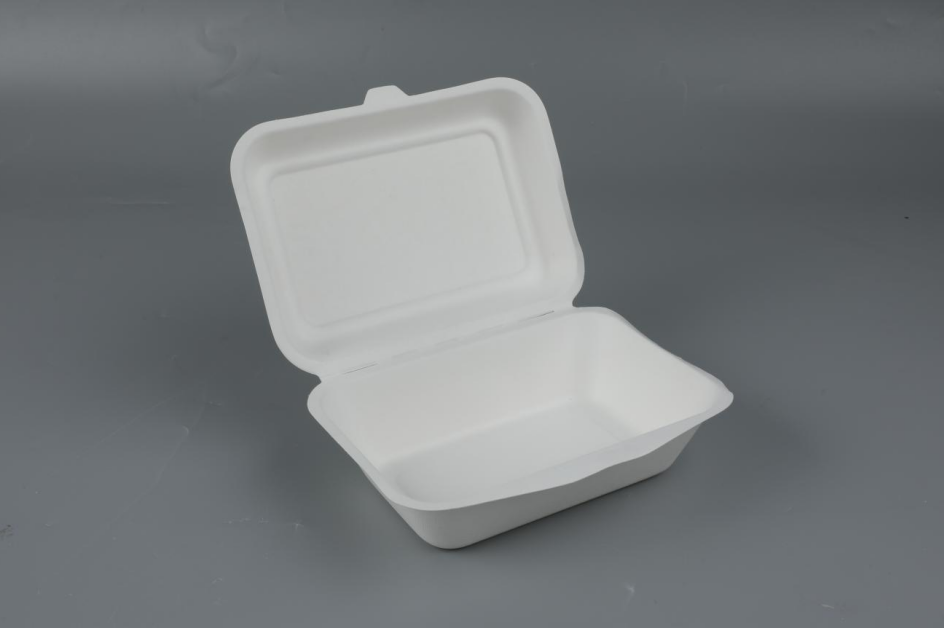



China Bagasse Plate Products Sets the Industry Standard
Top Selling Products

- Related Blog
- Reviews
- Reviews
