
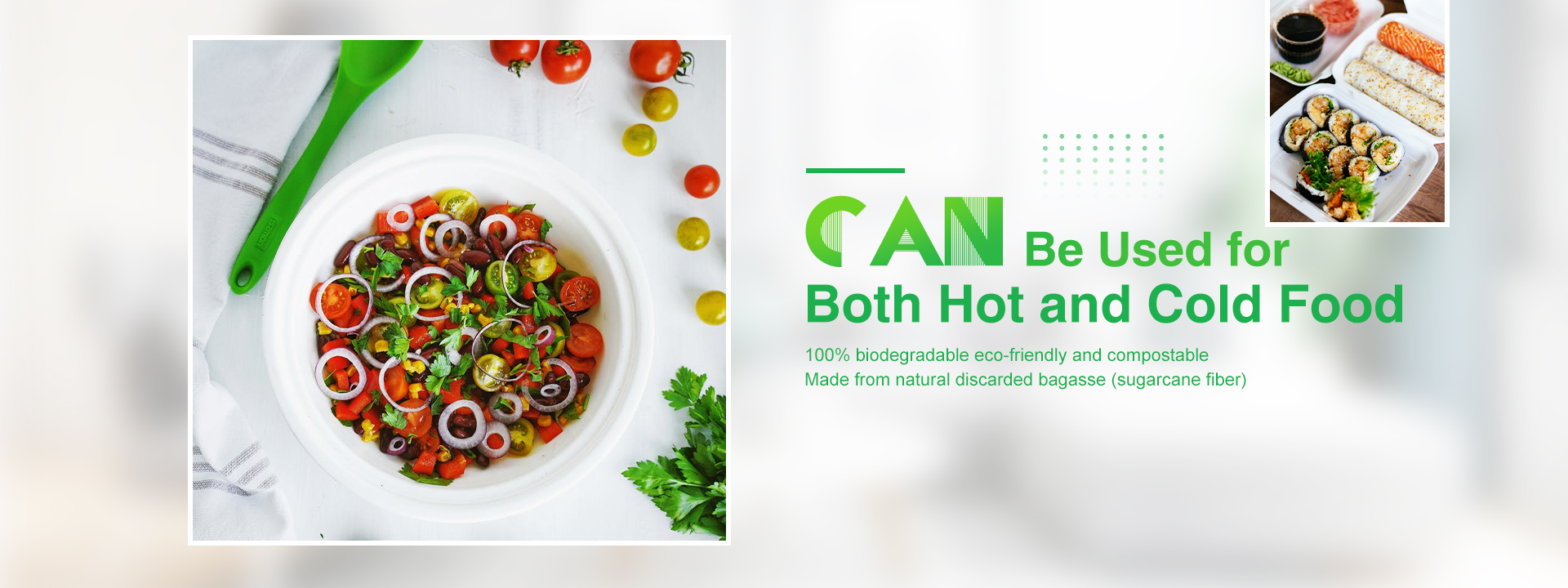
Compostable Plates Factory in China - Leading Manufacturer for Eco-Friendly Solutions
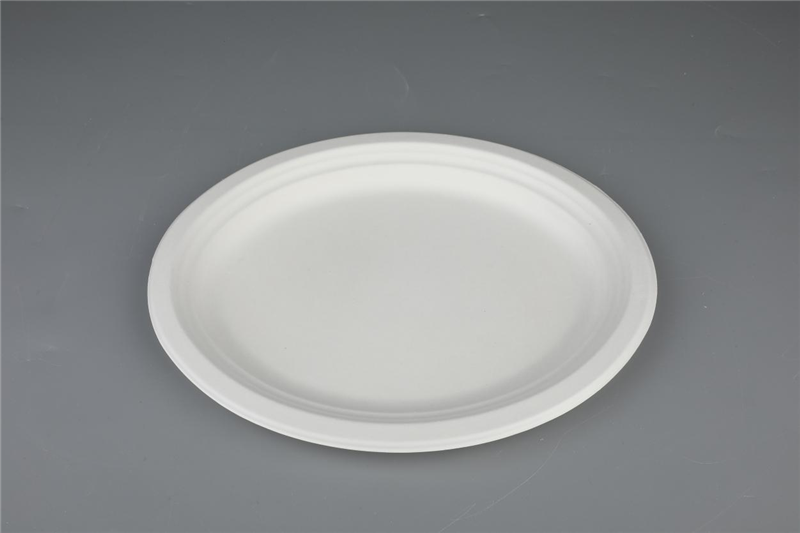
As a dedicated supplier of eco-friendly dining solutions, I’m excited to present our range of compostable plates, tailored for businesses looking to make a sustainable impact. Sourced from the finest materials, our plates are not only biodegradable but also sturdy and stylish, perfect for any occasion. Being a leading manufacturer in China, we prioritize quality and affordability, ensuring you get the best value for your investment. With increasing consumer demand for sustainable products, switching to our compostable plates can enhance your brand image and meet customers' expectations. They’re ideal for restaurants, catering services, and event organizers wanting to reduce their environmental footprint. Join us in promoting a greener future while maintaining exceptional dining experiences. I’d love to help you find the right fit for your needs and support your business's commitment to sustainability!
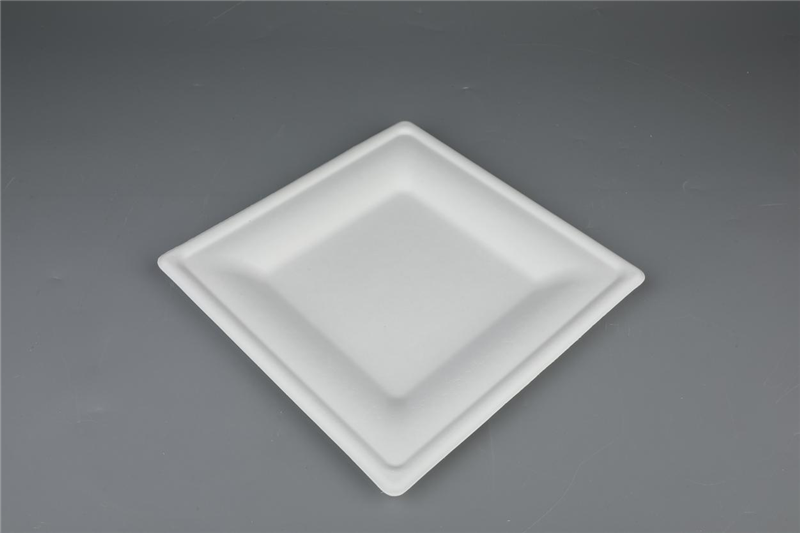

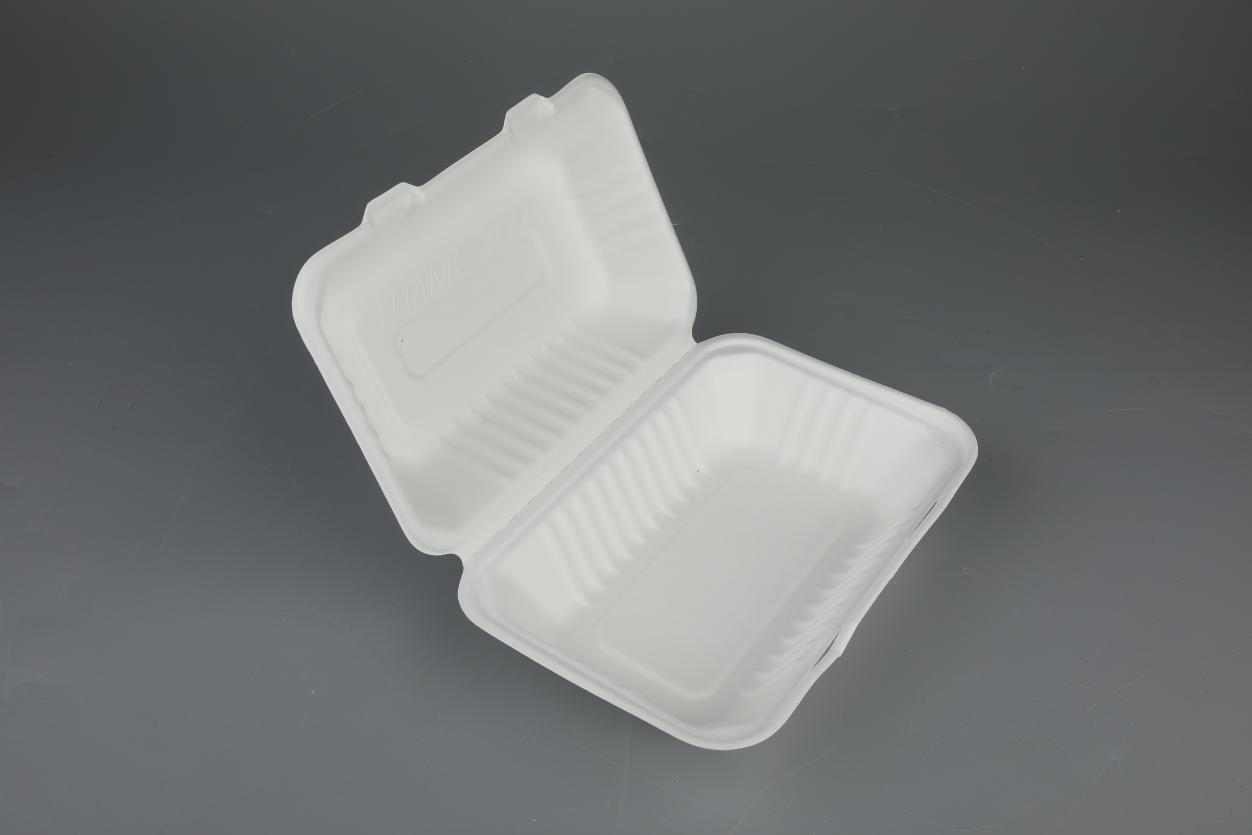
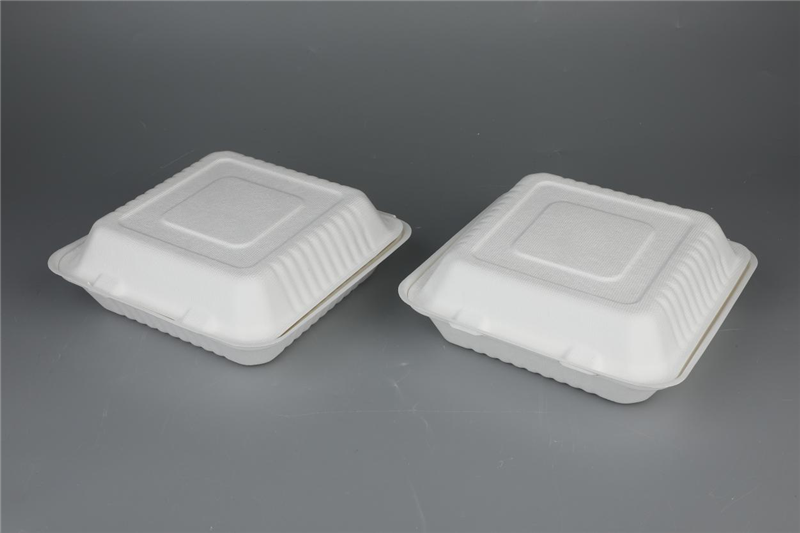
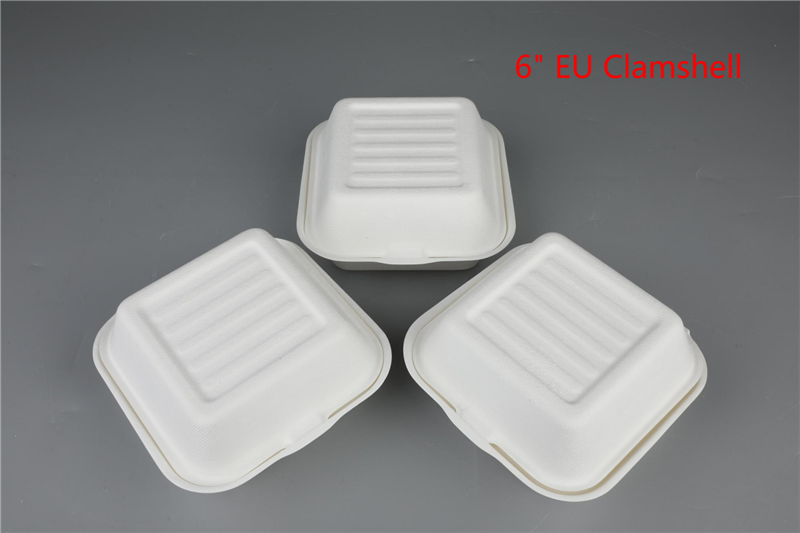
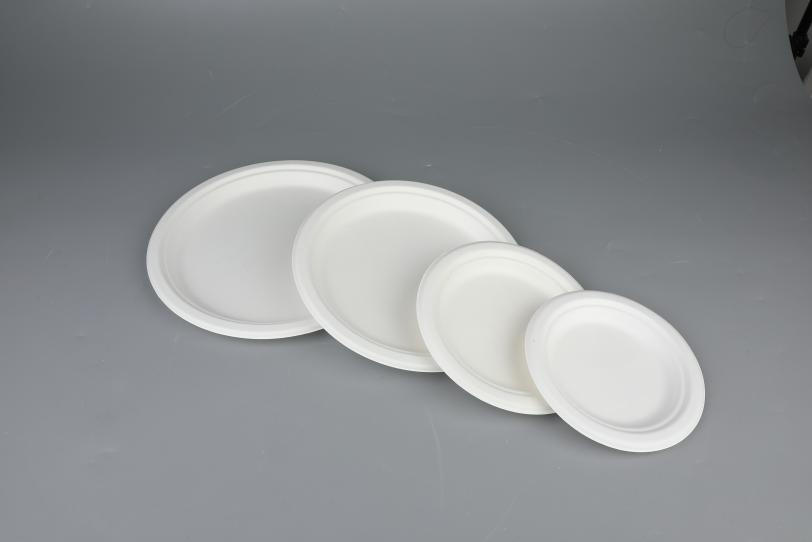
Compostable Plates Factory Winning in 2025 More Than a Supplier - A Partner
As the world increasingly leans towards sustainability, the demand for eco-friendly products is experiencing a remarkable surge. Compostable plates represent a significant advancement in this shift, appealing not only to environmentally conscious consumers but also to businesses seeking to enhance their ecological credentials. In 2025, factories that produce compostable plates will not merely function as suppliers; they will evolve into indispensable partners for global procurement managers. By aligning with companies that prioritize sustainability, businesses can bolster their brand reputation and meet the growing consumer demand for responsible product choices. In this dynamic landscape, the partnership between manufacturers and buyers becomes crucial. A factory that understands the nuances of compostable materials and adheres to high-quality production standards is essential for ensuring that products not only fulfill environmental obligations but also perform reliably. Beyond just transaction-based relationships, partnerships will thrive on transparency, co-innovation, and shared values. This cooperative approach can facilitate tailored solutions that meet specific market needs, ultimately strengthening both parties’ positions in their respective industries. As we progress toward 2025, the emphasis will be on collaborative relationships that drive sustainable practices forward. Companies that leverage their partnerships wisely will not only enhance operational efficiencies but also unlock new market opportunities, positioning themselves as leaders in the eco-friendly landscape. Adopting a partnership model will be pivotal for businesses aiming to navigate the competitive realm of sustainable product sourcing effectively.
Compostable Plates Factory Winning in 2025 More Than a Supplier - A Partner
| Parameter | Description | Value |
|---|---|---|
| Production Capacity | Monthly output of compostable plates | 500,000 plates |
| Material Source | Type of biodegradable materials used | PLA, Sugarcane Fiber |
| Certification | Standard certification for compostability | ASTM D6400 |
| Customer Satisfaction Rate | Feedback from B2B partners | 95% |
| Sustainability Initiatives | Programs promoting eco-friendliness | Use of renewable energy, waste reduction |
| Partnerships | Collaborations with NGOs and businesses | 5 active partnerships |
| Research & Development | Investment in innovative products | $200,000 annually |
Related Products
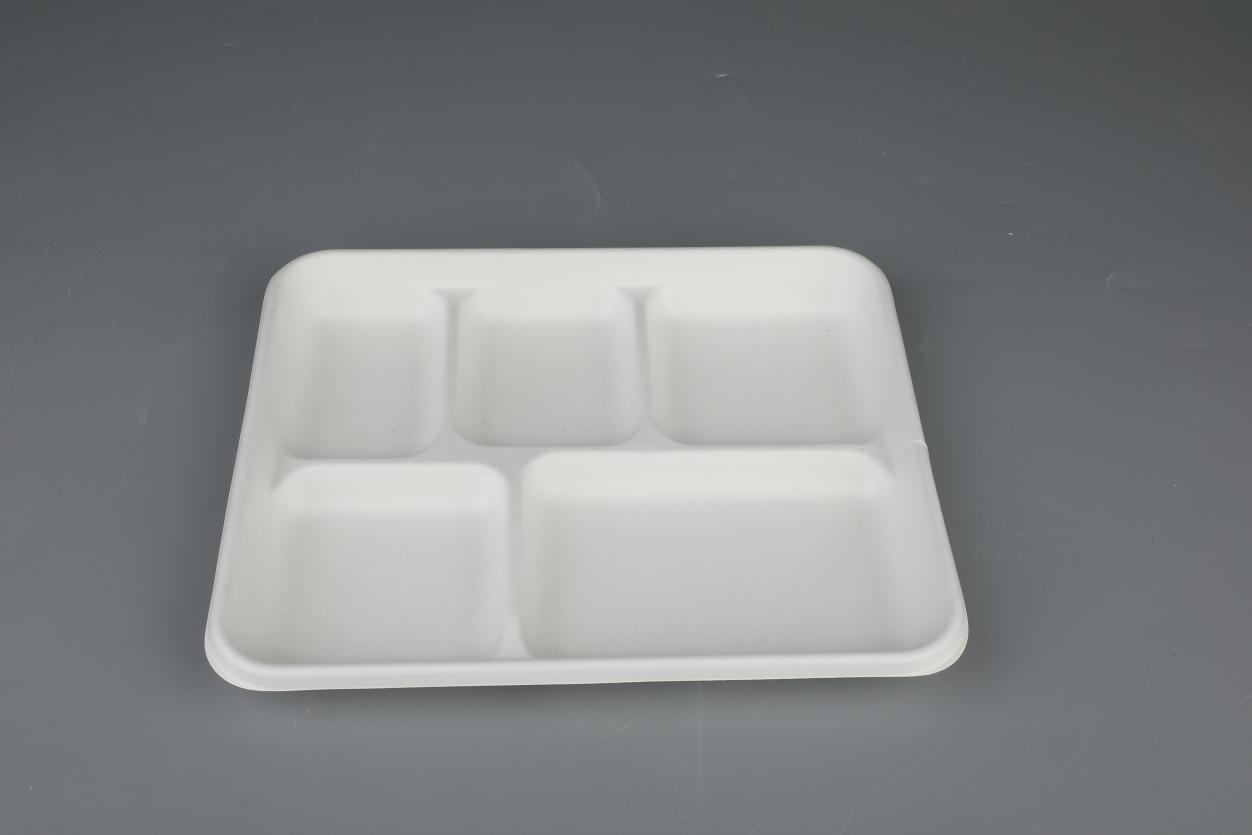
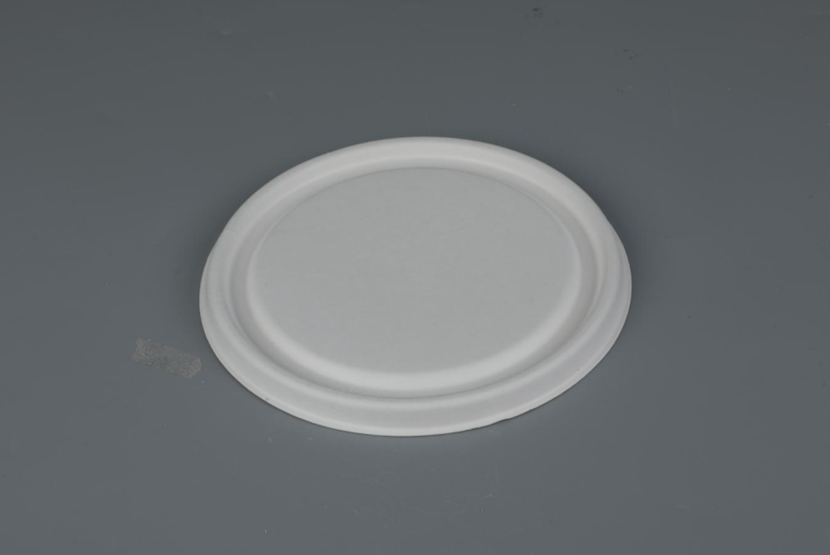
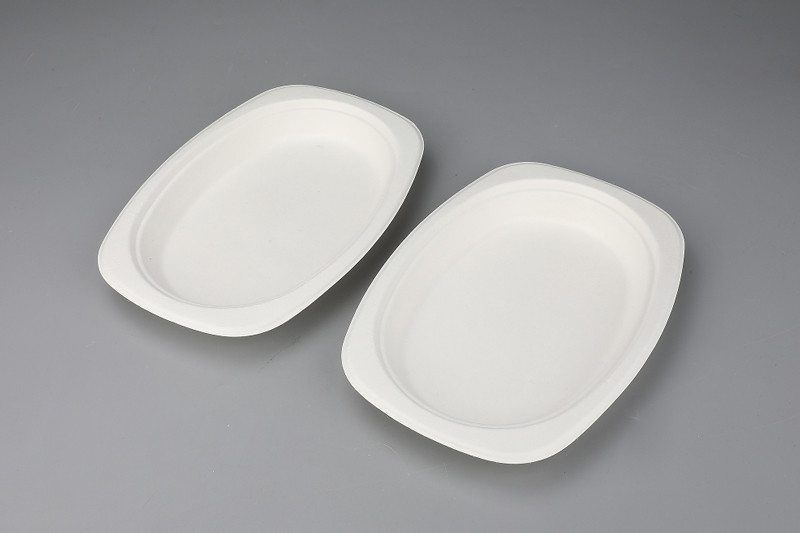

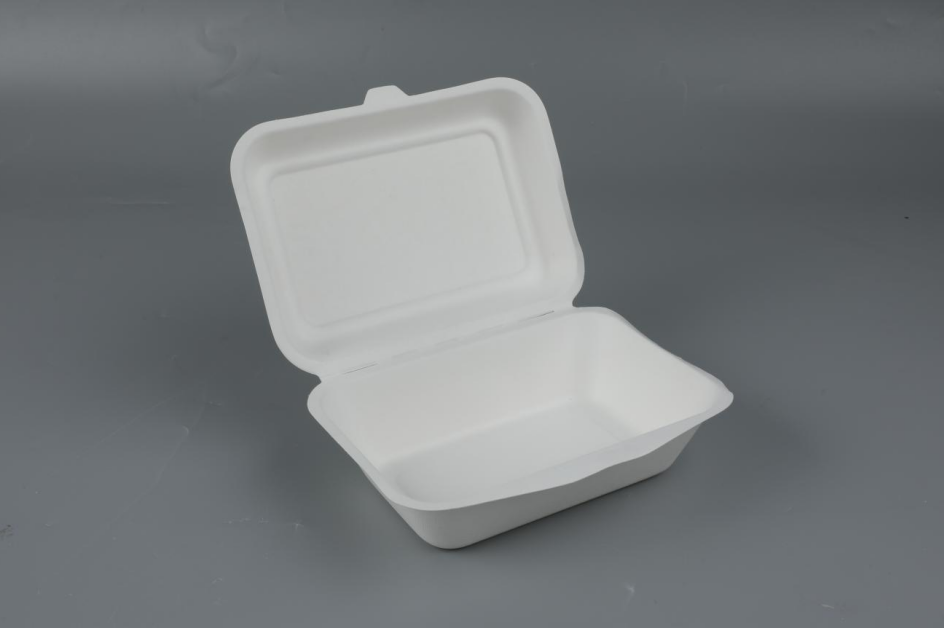
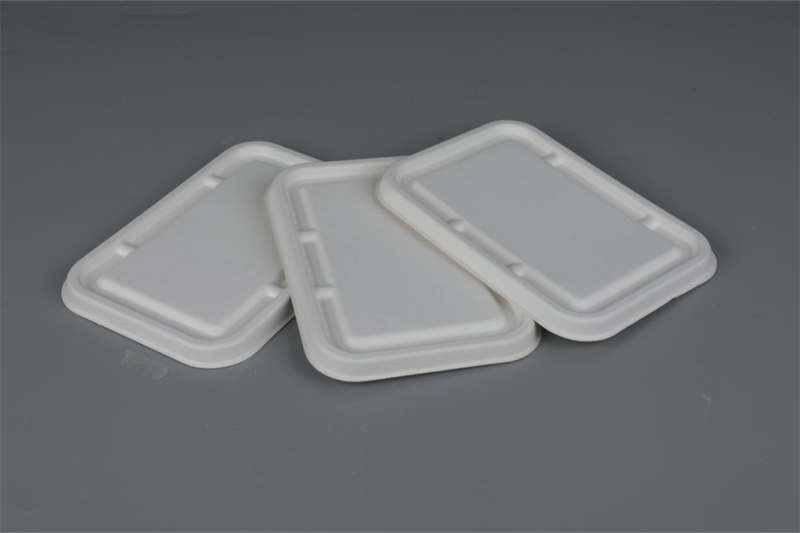

Compostable Plates Factory Market Leader Factory-Direct Excellence
Top Selling Products
- Related Blog
- Reviews
- Reviews
